
Amber Stone: Benefits and How to Tell If It Is Real
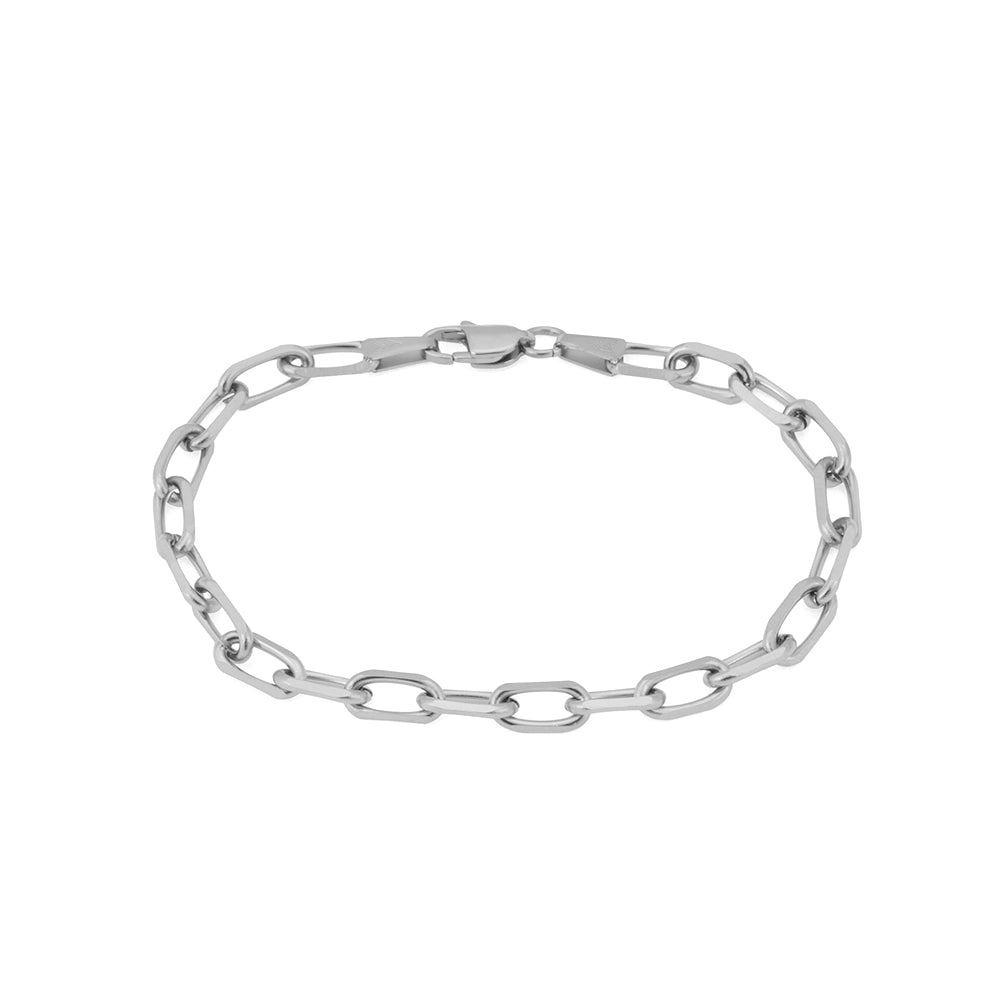
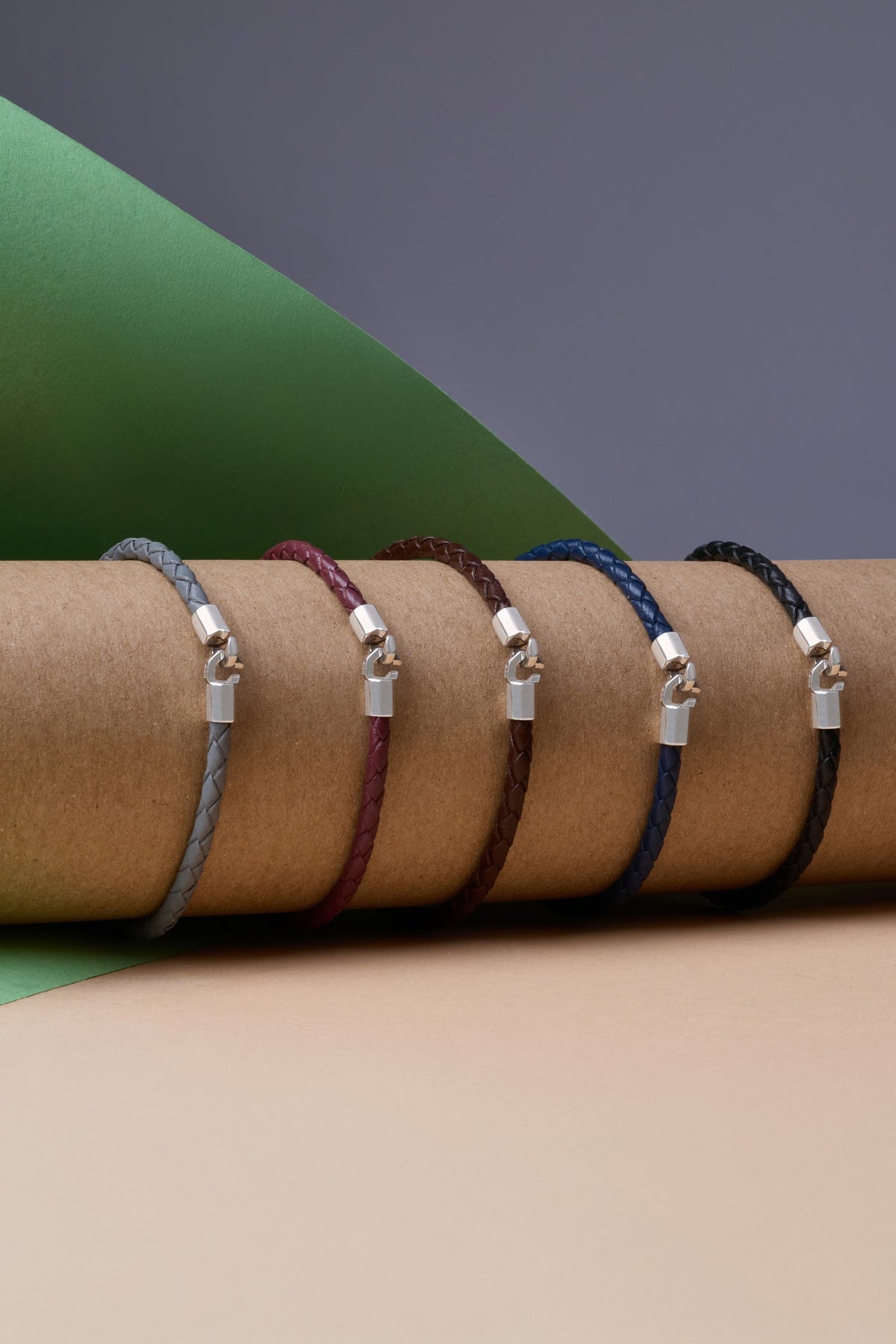
The cover shows a selection of Atolyewolf bracelets. This guide explores amber and alternatives in the collection.
Amber is a special natural material that has been used for thousands of years both as an ornament and as a good-luck stone, recognised by its warm honey colour. Yet plastic, glass and resin imitations are just as common on the market as the genuine article, and they are often impossible to tell apart at first glance. So how can you tell whether the piece in your hand is genuine, and does it really have any proven benefits? In this guide you will discover what this fossil resin is, how it forms, which meanings tradition attributes to it and how to separate the real thing from fakes with simple tests you can do at home. By the end, you will also see how warm-toned natural stones can complement your style.
What Is Amber? A Short Definition
It is an organic material formed when resin secreted by trees millions of years ago fossilised underground. Technically it is not a mineral but a fossil resin, yet in the jewelry world it is treated as a gemstone. Its best-known source is Baltic amber, estimated to be around 40 to 50 million years old. The Dominican Republic, Mexico and Myanmar are also important sources.
The Turkish name, "kehribar", comes from the Persian "kâh-rubâ", meaning "straw attractor". The name refers to the way the stone generates static electricity when rubbed and attracts small pieces of straw. Interestingly, the English word "electricity" is derived from "elektron", the Greek name for amber.
| Attribute | Value |
|---|---|
| Type | Fossil resin (organic) |
| Hardness (Mohs) | 2 – 2.5 |
| Density | Approximately 1.05 – 1.10 g/cm³ |
| Colours | Honey, cognac, lemon, cherry, green, blue (rare) |
| Main sources | Baltic region, Dominican Republic, Mexico, Myanmar |
| Uses | Necklaces, bracelets, prayer beads, rings, decorative objects |
What Are the Benefits of Amber?
This stone has been given many meanings over the centuries. When considering them, an important distinction must be made: traditional beliefs and scientifically proven effects are not the same thing. The points below describe its cultural and symbolic value; they are no substitute for medical treatment.
Its Meaning in Traditional Beliefs
- Warmth and vitality: Because its colour resembles sunlight, it is seen as a symbol of energy and optimism.
- Protection: Many cultures regard it as a charm against the evil eye and negative energy.
- Calm: Used as prayer beads, passing the beads through the fingers is embraced as a ritual that aids focus and relaxation.
- Commitment: Formed over millions of years, it is a symbol of permanence and patience.
What Science Says
Baltic amber contains a compound called succinic acid, and some traditional practices rely on the claim that it passes into the skin. However, there is no strong scientific evidence that the stone releases meaningful amounts of it at body temperature. In particular, the US Food and Drug Administration (FDA) has issued a clear warning about teething necklaces of this kind for babies because of the risk of strangulation and choking. In short, it should be valued for its beauty and symbolism rather than for health benefits.
How to Tell If Amber Is Real
There are several simple methods you can use at home to tell the genuine stone from imitations. None of them is 100% conclusive on its own, but using several together gives a fairly reliable picture. For a valuable piece, the right step is still to seek the opinion of a gemmological laboratory or a trusted expert.
1. The Salt Water Test
Stir two to three tablespoons of salt into a glass of warm water until dissolved. Thanks to its low density, a genuine piece floats on the surface of salt water, while glass and stone imitations sink straight away. This test is only suitable for loose beads without metal parts or clasps.
2. The Scent Test
Warm the piece by rubbing it quickly in your palm or with a cloth. The genuine stone gives off a light, pleasant scent reminiscent of pine resin. Plastic imitations smell chemical or of burnt plastic.
3. The Static Electricity Test
Rub the stone on a woollen cloth for a few seconds and hold it near small pieces of paper. A genuine piece becomes charged and attracts them. As some plastics behave similarly, this test should be considered alongside the others.
4. The UV Light Test
In a dark room, shine an ultraviolet (UV) torch on the stone. Fossil resin usually shows a bluish, greenish or whitish fluorescent glow. In plastic and glass imitations this effect is weak or absent.
5. Touch and Weight
The real thing is much lighter than glass and feels warm to the touch. A piece that feels cold and heavy in your palm is most likely glass.
| Test | Genuine Piece | Imitation (Plastic / Glass) |
|---|---|---|
| Salt water | Floats | Usually sinks |
| Scent | Light pine resin | Chemical or burnt plastic |
| Static electricity | Attracts paper | Often does not |
| UV light | Bluish fluorescence | Weak or none |
| Touch | Light and warm | Cold and heavy (glass) |
A young resin called copal is another common imitation. Copal is far younger than true fossil resin, and its surface turns sticky when touched with a drop of acetone or alcohol. The genuine stone is unaffected, but this test should be done carefully on a small, hidden spot.
Amber Colours and Their Meanings
The colour of this fossil resin varies with the tree species it came from, the mineral and plant remains inside it and its age. The most common shade is honey, traditionally associated with warmth and abundance. Dark cognac tones are linked with maturity and strength, while pale lemon is associated with freshness and joy. Cherry red and green shades are rarer, and the blue variety from the Dominican Republic is among the pieces collectors seek most.
Some pieces contain insects or plant remains trapped millions of years ago. These "inclusions" can increase a piece's value, but because they can also be added artificially to fakes, an expert opinion is important.
How to Choose Amber Jewelry and Who Wears It
It is worn by both men and women as prayer beads, necklaces and bracelets. Among men in particular, the culture of prayer beads has made it a long-standing sign of status and taste. When buying, always ask about the stone's origin, the craftsmanship and the seller's return policy.
- Proof of origin: Ask for a certificate for valuable types such as Baltic amber.
- Price consistency: Be wary of large pieces priced far below market value.
- Care: The material is soft; protect it from perfume, chemicals and hard surfaces.
Warm-Toned Natural Stones Similar to Amber
For those who love this honey warmth but want a more durable stone for everyday wear, there are good alternatives. Tiger's eye, with its golden-brown tones and shimmering sheen, is one of the natural stones closest in feel to it. Agate offers a similar aesthetic with a warm colour range from orange to brown. Both are much harder than fossil resin on the Mohs scale, making them more resistant to scratches.
Atolyewolf's Thick Tiger's Eye Bracelet in Silver strikes an elegant balance between a 925 sterling silver clasp and warm-toned stones. Stone options also include agate, onyx, lapis and malachite, making it possible to carry the same warmth in a different form. You can browse every model in the bracelet collection.
| Stone | Colour Tone | Hardness (Mohs) | Example at Atolyewolf | Price Range |
|---|---|---|---|---|
| Amber | Honey, cognac | 2 – 2.5 | — | — |
| Tiger's eye | Golden brown | 7 | Thick Tiger's Eye Bracelet | Premium |
| Agate | Orange, brown | 6.5 – 7 | Triple Natural Stone Bracelet (agate option) | Mid-range |
| Onyx | Black | 6.5 – 7 | Onyx Shambala Bracelet in Silver | Premium |
Price ranges are a general guide; you can find current prices on the product pages.
How to Style Amber and Warm-Toned Stones
This fossil resin and similar warm-toned stones work best with earthy shades such as brown, beige, khaki, cream and navy. In men's outfits, a honey-toned bracelet worn with a suede jacket, a linen shirt or a brown knit creates a natural, sophisticated look. Gold-plated metal details strengthen that warmth, while silver clasps provide a more modern contrast.
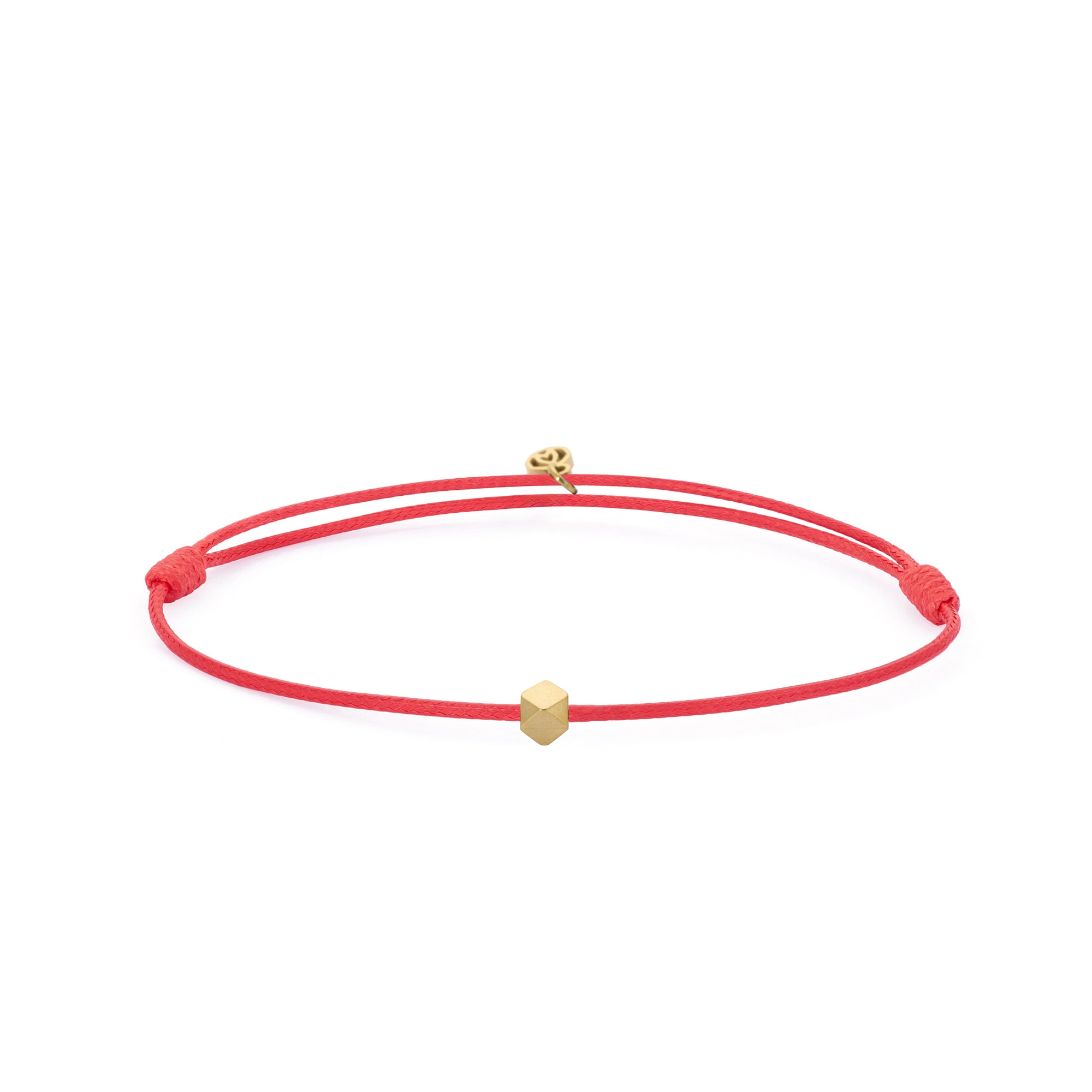
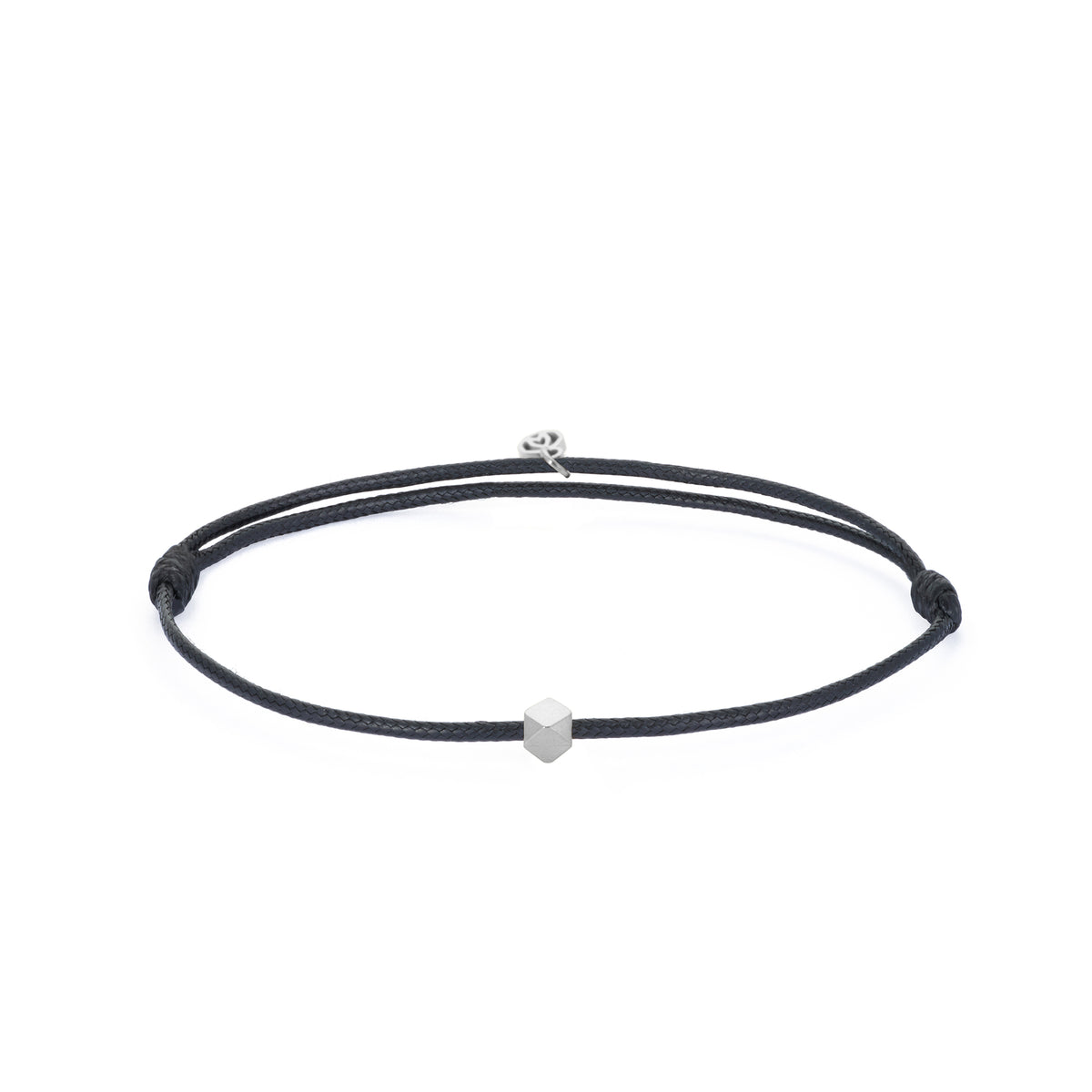
For a layered look, you can pair a warm-toned stone bracelet with a leather or cord bracelet. With the Design Your Charm Bracelet option, you can choose a brown or burgundy cord to create a personal layer that matches the stone's colour.
Frequently Asked Questions
What is amber?
It is an organic material formed by the fossilisation of resin secreted by trees millions of years ago; in jewelry it is treated as a gemstone.
Does real amber float in water?
A genuine piece sinks in fresh water but floats in saturated salt water. Glass and stone imitations sink in salt water too.
Are the benefits of amber scientifically proven?
No. The benefits attributed to it are based on traditional beliefs; there is no scientifically proven health effect.
What colours does amber come in?
Its most common colours are honey and cognac; it is also found in lemon, cherry red, green and, rarely, blue.
It is time to bring nature's warmth into your style. Browse the bracelet collection to discover warm-toned natural stones, explore our tiger's eye and agate options, or design your own charm bracelet to add a personal touch to your look.